
Reconociendo la resiliencia hispana: El transcurso de una paciente con estenosis aórtica y lecciones vitales para recordar
(NewsUSA) - Conozca a Julia García, una mujer de 74 años, amada esposa y cariñosa abuela de varios nietos. Su vida ha estado profundamente marcada por su inquebrantable dedicación y afecto al trabajo con niños. Sin embargo, la vida de Julia dio un giro inesperado cuando empezó a experimentar síntomas preocupantes. Le costaba caminar, la fatiga era constante, levantar objetos pesados se convirtió en un reto y los mareos se hicieron demasiado familiares.
 Preocupada por estos síntomas, Julia no tardó en buscar atención médica. A pesar de las múltiples consultas que la llevaron a puntos muertos y a varios diagnósticos erróneos, su perseverancia dio sus frutos cuando finalmente fue remitida a un cardiólogo. Tras un examen exhaustivo, el cardiólogo hizo un descubrimiento importante: la válvula aórtica de Julia, la principal válvula que controla el flujo de sangre que sale del corazón y suministra sangre oxigenada al sistema circulatorio, estaba gravemente dañada y casi cerrada. Esta valvulopatía cardiaca tan común se denomina estenosis aórtica y puede ser mortal si no se trata.
"Cuando empecé a sentir todos estos síntomas fue cuando me di cuenta de que no podía hacer las cosas que más me gustaban", dice Julia. "Estaba dispuesta a ir a donde fuera para recibir el tratamiento que necesitaba para volver a sentirme sana".
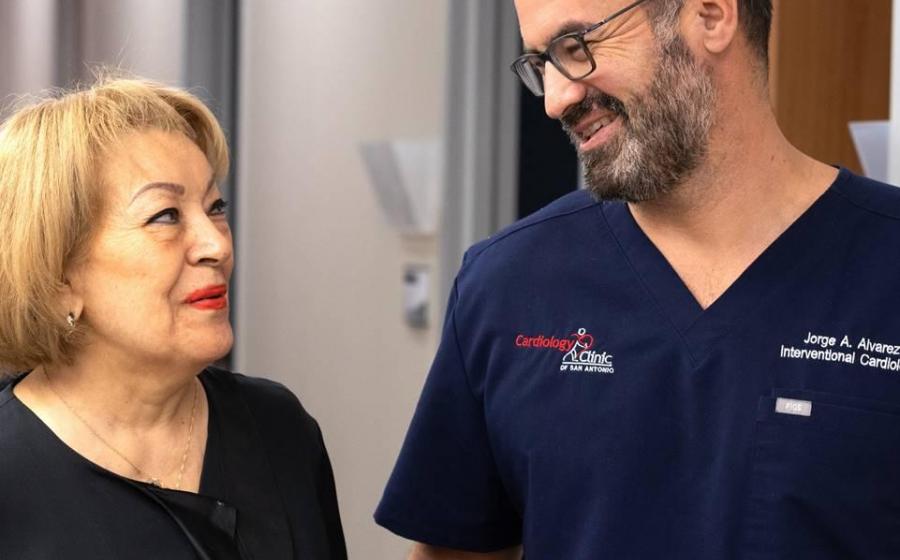
Tras evaluar sus opciones de tratamiento con su médico, Jorge A. Álvarez MD, Julia optó por someterse a una sustitución valvular aórtica transcatéter (TAVR), un procedimiento mínimamente invasivo para sustituir su válvula aórtica. El TAVR es menos invasivo que la cirugía a corazón abierto y suele durar menos de una hora.
"Tras consultar con Julia, llegamos a la conclusión de que el TAVR sería lo más adecuado para ella", afirma el Dr. Álvarez. "Confío en que, con el tiempo, podrá resumir todas las actividades que le gustan".
La estenosis aórtica es una de las cardiopatías valvulares más frecuentes y sigue aumentando con la edad.1 La estenosis aórtica grave sintomática puede ser mortal si no se trata. En Estados Unidos, las minorías raciales están infrarrepresentadas entre los pacientes sometidos a TAVR, y las estadísticas muestran que sólo el 3,4% de los hispanos se someten a esta intervención.2 La historia de Julia es un ejemplo inspirador de persistencia y defensa de sus derechos. Con el apoyo inquebrantable de su familia y de su equipo cardiológico, logró obtener el diagnóstico y el tratamiento correctos, lo que es especialmente digno de mención en un momento en el que los grupos raciales y étnicos minoritarios siguen estando infrarrepresentados entre los pacientes que se someten a TAVR.2 Su experiencia revela la importancia de concienciar sobre la estenosis aórtica y de garantizar un acceso equitativo a los procedimientos que salvan vidas para todas las comunidades.
¿Qué es la estenosis aórtica?
La estenosis aórtica grave impide que las valvas de la válvula aórtica se abran y cierren correctamente. Esto hace que el corazón tenga que trabajar más para bombear sangre al resto del cuerpo. Una válvula enferma afecta a su salud y limita sus actividades cotidianas.
Los síntomas de la estenosis aórtica grave son, entre otros
- Dolor en el pecho
- Mareos
- Fatiga
- Dificultad para respirar
- Latidos irregulares
¿Quién está en riesgo?
La estenosis aórtica afecta predominantemente a la población de edad avanzada debido a la cicatrización y a la acumulación de calcio en la cúspide (aleta o pliegue) de la válvula.1
¿Qué es el TAVR?
El TAVR es un procedimiento mínimamente invasivo para sustituir la válvula aórtica en pacientes con estenosis aórtica grave. El TAVR es menos invasivo que la cirugía a corazón abierto, y la intervención suele durar alrededor de una hora. Su equipo cardiológico determinará si debe recibir un sedante suave o anestesia general.
¿Cuáles son los beneficios de la TAVR?
Tras la intervención, muchos pacientes de TAVR informan de beneficios como:
- Tener más energía
- Respirar con normalidad
- Sentir menos dolor
- Sentir menos síntomas
- Sentirse menos ansioso
- La mayoría de los pacientes se pueden cuidar mejor de sí mismos y regresar a sus actividades cotidianas.
¿Cuáles son los riesgos del TAVR?
Los riesgos de la TAVR pueden incluir, pero no limitarse a muerte, ataques de apoplejía, daños en las arterias, hemorragias y necesidad de un marcapasos permanente.
Si usted o un ser querido tienen preguntas sobre el TAVR u otros dispositivos cardíacos implantados, visite www.medtronic.com/TAVR.
 - Lung cancer is the deadliest of all major cancers, with Small Cell Lung Cancer (SCLC) patients having a significantly lower survival rate than non-small cell lung cancer patients (NSCLC).

 - By the time you read this article, three people will have had a stroke and one will die. Stroke is the leading cause of serious long-term disability in the United States, impacting nearly 800,000 people each year, with a quarter experiencing another stroke within five years. Despite the prevalence of stroke, 80% are preventable with a combination of medication and healthy habits.
 - Cardiovascular Disease including stroke remains a leading cause of death in the United States and is the number one cause of death in women, according to the American Stroke Association, a division of the American Heart Association.
 - The number of deaths from heart disease in America may be rising due in part to a Medicare coverage technicality. Home-based, virtual cardiac rehabilitation is popular nationwide and has proven to reduce the risk of death. In 2018, the American Heart Association and other professional societies endorsed virtual cardiac rehab as an effective option for patients. In fact, a recent study in the Journal of the American Medical Association showed a 36% lower risk of death for those adults participated in a home-based, cardiac rehab program versus those who did not.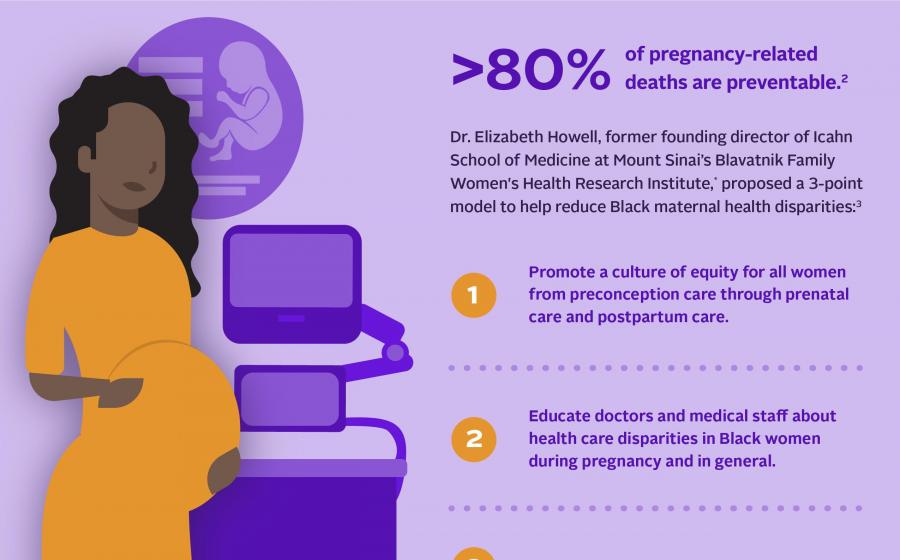
 - Despite having a standard of living among the highest in the world, the maternal mortality rate in the United States has increased over the past 25 years, according to data from the Centers for Disease Control and Prevention. The numbers are especially poor for Black women, who are two to three times more likely to die from pregnancy-related causes than their white counterparts, while black infants are more than twice as likely to die as white infants. These disparities persist regardless of level of education.
 - Fifty thousand people in the U.S. have had their skin cancer cured without going to hospitals or undergoing traditional Mohs surgery, avoiding that treatment’s pain, bleeding, surgical scarring and, often, need for follow-up reconstructive surgery.
 -
- 
 - La enfermedad cardíaca es la principal causa de muerte en los Estados Unidos. Una de cada cinco muertes se debe a una enfermedad cardíaca, a pesar de que la enfermedad se puede prevenir en gran medida.