
BookTrib’s Bites: What We Survive, What We Become
(BookTrib) -
- 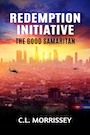 “Redemption Initiative: The Good Samaritan” by C.L. Morrissey
Once, Desi Delgado was exactly the kind of criminal society feared: violent, impulsive and consumed by addiction. Eight years in prison changed the course of his life, but not the weight of his past. Now a successful businessman and co-founder of a halfway house, Desi is determined to keep others from repeating his mistakes. When a violent crime strikes close to home, he creates Redemption Initiative, a covert program that uses immersive technology to force offenders to confront the full reality of the harm they've caused.
But can accountability be engineered? Can the process unlock the innate ability to be reformed? Can true remorse be measured and verified? In “Redemption Initiative: The Good Samaritan,” C.L. Morrissey blends crime fiction with provocative moral questions, exploring the uneasy space where punishment ends, redemption begins, and justice itself is reimagined.
Purchase at https://tinyurl.com/redemption-initiative.
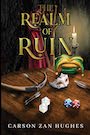 “The Realm of Ruin” by Carson Zan Hughes
In “The Realm of Ruin,” exile is not an escape from the world — it is the place where the unwanted are sent to be forgotten. For Nyla, a fiercely loyal hunter torn from her family, and Jester, a bold teenager who refuses to surrender, the Realm is a brutal wasteland of monsters, outlawed magic and secrets no one dares name.
After barely surviving an attack on their village, they are drawn into a monster-hunting guild led by Dice, a leader whose easy smile hides hard-won experience. But each hunt reveals that the Realm is more than a prison. It is a crucible, built to test, break and transform those trapped inside it. Dark, fast-paced and filled with danger, Carson Zan Hughes’ fantasy adventure asks what survival costs — and what someone must become when the world has already cast them aside.
Purchase at https://amzn.to/4eE87O4.
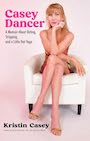 “Casey Dancer: A Memoir About Dating, Stripping, and a Little Hot Yoga” by Kristin Casey
At 39, nearly a decade sober and struggling through a real estate slump, Kristin Casey returns to the work she once thought she had left behind: stripping. To her surprise, stepping back into Austin’s clubs restores not only her finances but also a sense of confidence, purpose and control.
Then she meets Lalo, a married former drug dealer whose charm and volatility pull her into an intense relationship. As romance, financial pressure and old emotional wounds collide, Casey begins confronting the patterns that have shaped her choices — especially her attraction to unavailable men and her fear of depending on anyone.
Interspersed with candid entries from her popular stripper blog, “Casey Dancer” is unfiltered, sexually frank and frequently very funny. Hot yoga becomes both refuge and metaphor as Casey works toward greater strength, firmer boundaries and a life defined on her own terms. It is a memoir about sex work, sobriety and the difficult practice of becoming fully yourself.
Purchase at https://amzn.to/4aG3jXj.
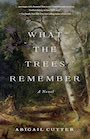 “What the Trees Remember” by Abigail Cutter
At 93, Dora Minor has spent most of her life atop Horseshoe Mountain, carrying secrets nearly as old as the trees surrounding her home. When Hurricane Camille unleashes a catastrophic flood across Nelson County in 1969, Dora faces the storm with only her two dogs — and the memories she has long avoided.
Her story reaches back to post-Civil War Virginia, where she is raised by her fiercely independent grandmother Alma in a Quaker family committed to racial equality. When Dora’s father helps open a school for Black children, the family becomes a target of violent resistance. Loss, betrayal and a horrifying act Dora witnesses as a child shape the isolated woman she becomes.
Moving between Dora’s coming of age and the night of the flood, Abigail Cutter’s deeply researched historical novel explores racial violence, moral courage and the weight of silence, while finding resilience and hard-won hope in the natural world.
Purchase at https://amzn.to/4vPefto.

 - As the summer winds down, many children look forward to the back-to-school season and the excitement of a new school year. However, for other children, transitioning to structured routines, managing academic pressures, and the fear of fitting in can cause significant anxiety. In fact, a recent
 - The back-to-school season isn't just for school-age children. For many families with preschoolers, late summer is a time to evaluate early learning programs and consider which experiences will best support their child's growth during some of the most important years of development.
 - Agentic artificial intelligence (AI) refers to AI systems that can operate autonomously with minimal human oversight. Unlike existing AI systems that generate responses based on prompts, evolving agentic AI can independently set goals, create plans, and execute multi-step tasks.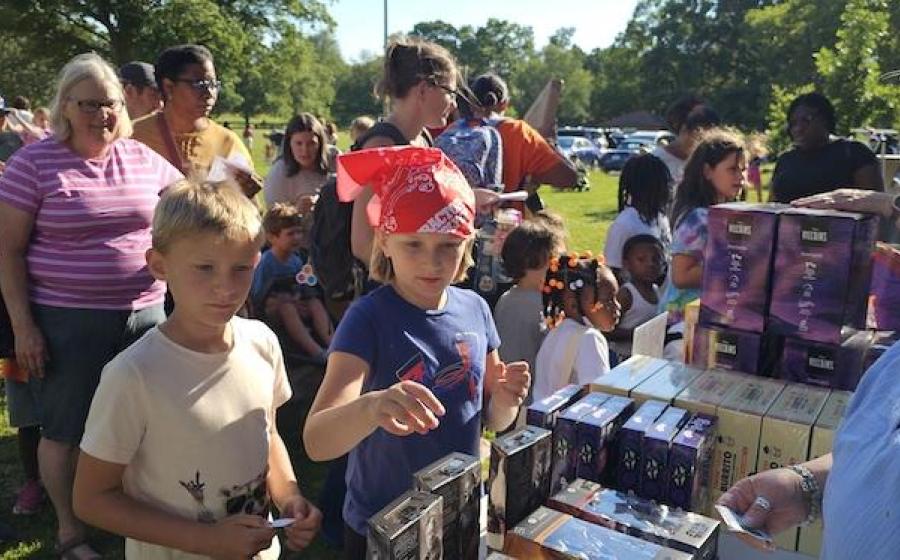
 - The magic of Christmas doesn’t wait until December—and neither does Marine Toys for Tots. Nationally recognized as America’s flagship children’s Christmastime charity, Toys for Tots also remains committed to delivering hope, joy, and comfort to children in need all year long. With summer underway, July is the perfect time to join Toys for Tots’ Be a Summer Santa initiative and spread Christmas magic when it’s least expected—and often most needed.
 -
-  “Day of Wrath” by Otho Eskin
 “Marek of the Mists: The Sword of the Moon Maiden” by Corey E. King
 “Allegory” by Jack Martin Haley
 “My Hip-Hop Wiz: A Journey Through Rhythm, Resilience, and Self-Discovery” by Innton Tagger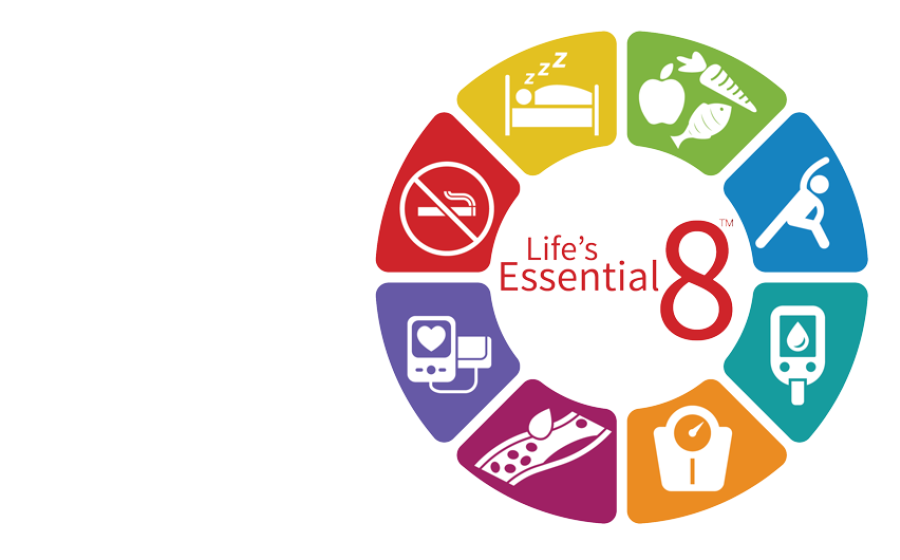
 - Heart disease is often thought of as a condition that affects older adults, but new research from the American Heart Association suggests the future of women's heart health may be far more concerning—and that prevention should begin much earlier in life.
 - July 22 is World Brain Day, a day that highlights the importance of overall brain health. It’s the perfect time to think differently about what caring for your brain can mean for you. While researchers continue to learn more about Alzheimer's disease and other dementias, one thing is becoming clear: healthy lifestyle choices can help support brain health over time.
 -
- 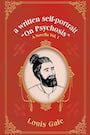 “a written self-portrait: ‘On Psychosis’ a Novella Vol. I” by Louis Gale
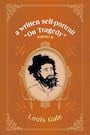 “a written self-portrait: ‘On Tragedy’ Volume II” by Louis Gale
 “Infernal Tramps: Tales of Weird Terror” by Alex Grass
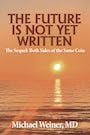 “The Future Is Not Yet Written” by Michael Weiner, MD
 - Uterine fibroids can make day-to-day living a challenge for many women. While fibroids are common, they are much more common in women of color. Up to 80% of Black women experience them by age 50. Yet many women are unaware of uterine fibroids and the range of treatment options to help them feel better and return to their daily lives.